Các nhà nghiên cứu tại Princeton đã phát triển phương pháp học tăng cường (reinforcement learning) kết hợp mô hình mạng nơ-ron tích chập (CNN) để tự động hóa thiết kế mạch tích hợp tần số vô tuyến (RFIC), rút ngắn thời gian từ vài tháng xuống còn vài phút. Hệ thống tạo ra các layout RFIC sẵn sàng sản xuất với hiệu suất băng thông kỷ lục cho bộ khuếch đại công suất 5G năm 2023, nhưng vẫn cần xác minh thủ công do hiện tượng "ảo giác AI" và thiếu dữ liệu mở.
Vì sao nên đọc: Những tiến bộ trong AI tự động hóa thiết kế RFIC của IBM và Princeton sẽ giúp bạn tiết kiệm thời gian và năng lượng trong việc tối ưu hóa các giải pháp điện tử cao tần, đặc biệt khi công nghệ này đang thay đổi nhanh chóng và đòi hỏi sự linh hoạt trong thiết kế.
Nguồn: https://spectrum.ieee.org/cfet-ibm-plan. 8sync News chỉ tóm tắt và dẫn link; bản quyền nội dung thuộc tác giả và nguồn gốc.
Google Cloud vừa giới thiệu TPU Developer Hub, một nền tảng giáo dục tập trung dành cho nhà phát triển ML sử dụng TPU, bao gồm kiến trúc phần cứng, stack phần mềm (XLA, Pallas kernels), công cụ gỡ lỗi XProf, chiến lược tối ưu hóa (như offloading KV cache) cùng networking và bảo mật. Nội dung đa dạng từ Colabs tương tác, mã nguồn mở đến tài liệu chuyên sâu, hỗ trợ tích hợp AI-assisted development.
Lập trình viên ML nên đọc để hiểu cách tối ưu hóa hiệu suất và chi phí của mô hình trên TPU với các công cụ mới như XLA, Pallas và các chiến lược parallelism, từ đó tiết kiệm thời gian và nguồn lực trong triển khai sản phẩm AI.
Z.ai vừa ra mắt GLM-5.2, mô hình nguồn mở 753 tỷ tham số (MIT license) tối ưu cho các tác vụ lập trình dài hạn nhờ nhiều cải tiến như cửa sổ ngữ cảnh 1 triệu token, kiểm soát "effort-level" cân bằng hiệu suất-latency, và kiến trúc IndexShare giúp giảm 2,9 lần FLOPs/token. Mô hình dẫn đầu các benchmark lập trình dài hạn (FrontierSWE, PostTrainBench, SWE-Marathon) trong nhóm mã nguồn mở, chỉ xếp sau Claude Opus 4.8, đồng thời hỗ trợ các framework suy luận phổ biến như vLLM và SGLang.
Lập trình viên nên đọc bài này vì GLM-5.2 là một mô hình AI mạnh mẽ cho các nhiệm vụ lập trình dài hạn, giúp tối ưu hóa hiệu suất và độ chính xác trong việc xử lý các dự án phức tạp, từ việc viết code đến tối ưu hóa logic, với các tính năng như hỗ trợ context rộng và kiến trúc hiệu suất cao.
Hexora v0.3 is a Python library for detecting malicious PyPI packages using static analysis. The new release adds a gradient boosting machine learning model that analyzes code structure, semantic features, and static analysis results to assess entire Python files. The ML model's primary role is filtering false positives — previously yielding 5-10 false positives per real finding. Running against newly published PyPI packages, it now detects 2-10 malicious packages daily. Remaining false positives mostly come from AI-related projects that use dynamic code execution, base64-inlined assets, or telemetry.
Malt's ML team achieved a 14% lift in signed contracts by replacing a heuristic-based freelancer matching system with a unified CatBoost ranking model trained on historical user interactions. The model ingests 100+ features covering freelancer profiles and project-freelancer fit signals. To address the limits of standard text embeddings in assessing true capability, they built a Skill Matching Scorer (SMS) using LLM knowledge distillation — training a lightweight model on LLM-generated scores to make inference feasible in production. The three-stage funnel (Retrieval, Reranking, Policy) ensures both speed and business compliance, while the interaction-driven ranker learns the optimal balance of geography, budget, and behavioral signals directly from data rather than hardcoded rules.

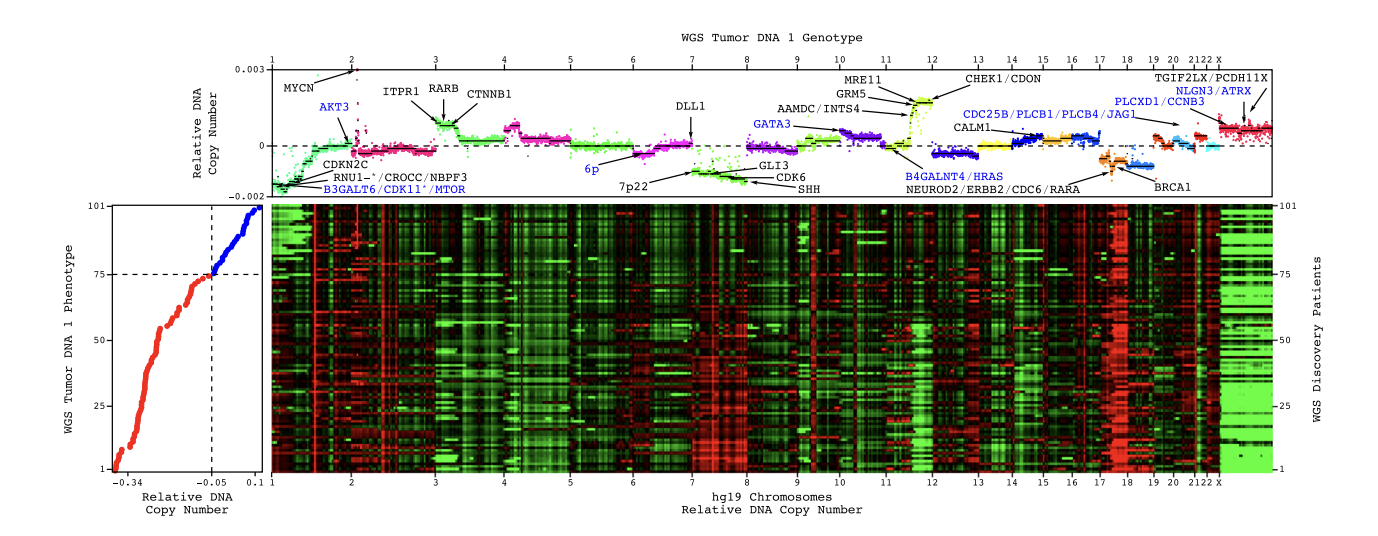
A University of Utah-led team developed a quantum mechanics-inspired AI framework for extracting reliable biomedical signals from small, noisy, high-dimensional multiomic datasets. The method uses spectral decompositions and concepts analogous to quantum superposition and entanglement to find linked patterns across tumor DNA, blood DNA, and tumor RNA simultaneously. Applied to neuroblastoma data from 101 patients, it identified two new survival predictors that outperformed the established MYCN amplification biomarker across multiple data types and validated in a cohort of 398 patients. The approach does not run on quantum hardware — the 'quantum' refers to the mathematical structure. Limitations include reliance on existing datasets, no prospective clinical trial, and the need for broader independent validation before clinical use.
Databricks announces it has been named a Leader in the 2026 Gartner Magic Quadrant for AI Platforms for Data Science and Machine Learning, holding the highest position in Ability to Execute and furthest in Completeness of Vision for the second consecutive year. The post highlights Databricks' unified platform philosophy combining lakehouse, Lakebase, Agent Bricks, and Unity Catalog to deliver governed, production-grade agentic applications. Key capabilities include centralized governance via Unity AI Gateway, support for frontier and open-source models, and tools for both developers and business users to build AI agents grounded in enterprise data.
A reproducible benchmark comparing gradient-boosted decision trees (GBDTs) vs. LLM-based scoring for payment fraud detection across three dimensions: latency, cost, and determinism. On a single CPU core, GBDTs hit p99 latency of 0.15ms vs. ~1,200ms for LLMs — well outside the 100ms ISO 8583 authorization budget. Cost-wise, GBDTs run ~$54/hour at 50K TPS vs. $16,200–$351,000 for LLM tiers. Determinism is the most critical issue for regulated environments: GBDTs return identical scores on identical inputs while LLMs produce hundreds of distinct outputs even at temperature=0. The recommended architecture keeps deterministic tree ensembles on the synchronous hot path and deploys LLM agents on the asynchronous cold path for SAR drafting, evidence gathering, and agent-as-a-judge validation before human review. All benchmark code is open-source and reproducible on a laptop.
AQSolotl and QuantrolOx have announced a strategic partnership to integrate AQSolotl's Chronos-Q quantum control hardware with QuantrolOx's Quantum EDGE machine learning-based automation platform. The goal is to automate qubit calibration, reduce manual tuning cycles, and improve qubit stability as quantum systems scale toward commercial deployment. The collaboration will proceed in two phases: near-term technical integration and performance benchmarking, followed by deeper hardware-software co-design and joint commercial offerings for research and enterprise customers.