
The Next Web0 Hot5 min
Heidi raises $340m and doubles its valuation to $900m
Heidi has raised $340m at a $900m valuation, led by Blackbird. Only $100m is equity; the rest is a non-dilutive fund from General Catalyst.
Latest developer news about health-tech, summarized in Vietnamese by AI.
Heidi has raised $340m at a $900m valuation, led by Blackbird. Only $100m is equity; the rest is a non-dilutive fund from General Catalyst.

Startup AI Biolevate tại Paris đã huy động thành công €30M trong vòng Series A do Orange Ventures và RAISE France cùng dẫn dầu. Công ty chuyên về AI trong lĩnh vực khoa học sinh học này vừa mở văn phòng mới tại Boston, thị trường trọng điểm cho công nghệ y tế. Việc mở rộng này cho thấy nhu cầu cao về các giải pháp AI trong ngành dược phẩm và y tế toàn cầu. Đáng học hỏi ở đây là chiến lược kết hợp giữa vốn đầu tư chiến lược từ Orange Ventures và chuyên môn từ RAISE France để phát triển giải pháp AI chuyên sâu cho khoa học sinh học.
Biolevate huy động thành công €30M Series A và mở văn phòng tại Boston chứng minh tiềm năng lớn của AI trong lĩnh vực khoa học sinh học.

Corridor launched an AI benefits brokerage with $25m from Bain Capital Ventures. Its agents quote small accounts brokers will not serve.

Oura launched a $2.2bn IPO at a $14.1bn valuation. Three-quarters of the shares on offer are being sold by existing stockholders, not the company.

ByteDance, công ty mẹ TikTok, vừa huy động thành công 290 triệu USD cho đơn vị dược phẩm AI Anew Labs với định giá 1.5 tỷ USD. Được tài trợ bởi các quỹ lớn như HSG, IDG và Hillhouse, Anew Labs áp dụng công nghệ AI để rút ngắn thời gian phát triển thuốc. Việc đầu tư vào lĩnh vực AI drug discovery phản ánh xu hướng các công ty công nghệ lớn tham gia vào ngành dược phẩm truyền thống. Với nguồn lực tài chính mạnh, Anew Labs có cơ hội cạnh tranh với các công ty startup AI trong lĩnh vực chăm sóc sức khỏe.
Anew Labs huy động thành công 290 triệu đô la đánh dấu bước phát triển quan trọng của AI trong ngành dược phẩm.

Tandem Health raised $100m in a round led by the EU-backed Scaleup Europe Fund. Its AI assistant is used by 10,000 European care organisations.

The update uses Apple Intelligence to make better sense of your health data.

Mối quan ngại về Palantir khiến khoảng 60.000 bệnh nhân NHS chọn không chia sẻ dữ liệu trong vòng 4 tháng. Bộ trưởng Y tế James Frith giải thích rằng sự thiếu tin tưởng vào Palantir - công ty dữ liệu lớn - đang ảnh hưởng đến hệ thống chăm sóc sức khỏe Anh. Việc thiếu dữ liệu này có thể gây khó khăn cho nghiên cứu y tế và cải tiến dịch vụ. NHS cần giải pháp minh bạch hơn để xây dựng lại niềm tin với bệnh nhân.
Tin bài này giúp lập trình viên hiểu tác động của niềm tin vào công nghệ xử lý dữ liệu như Palantir đối với chính sách y tế và lựa chọn của người dùng.

AI-guided blood draw robots deliver precise, consistent samples, and could help labs handle surging test volumes with less delay and stress.

Oura, công ty sản xuất vòng đeo theo dõi sức khỏe, đã nộp hồ sơ IPO và báo cáo thu nhập ròng là 60,8 triệu USD. Tuy nhiên, báo cáo cũng cho thấy một lỗ ròng lên tới 924,3 triệu USD. Khoảng cách này chủ yếu do công ty trả một phí prémium khoảng 985 triệu USD để mua lại các cổ phần preferred của mình. Việc mua lại cổ phần với giá cao khiến biểu thu nhập ròng bị distortions, tạo ra lỗ lớn dù hoạt động kinh doanh vẫn sinh lời. Điều này nhắc nhở các nhà lập trình và nhà đầu tư cần kiểm tra kỹ các khoản chi phí không liên quan đến hoạt động khi phân tích báo cáo tài chính trước khi quyết định đọc bài gốc hoặc đầu tư.
Bài này giải thích lý do gây sốc đằng sau con lỗ khổng lồ của Oura sau khi mua lại cổ phiếu ưu đãi của chính mình.

Vara, công ty berbài Berlin, vừa nhận CE mark lần đầu thế giới cho phần mềm AI xử lý mammogram tự động. Nguyên nhân kỹ thuật là mô hình học sâu được huấn luyện trên hơn 200.000 ảnh mammogram, đạt độ nhạy trên 94% và độ spesifity trên 90% trong nghiên cứu lâm sàng, đủ điều kiện để tự động báo cáo các trường hợp rõ ràng bình thường mà không cần bác sĩ radiologist đọc. Hệ quả là Vara có thể triển khai AI ở các trung tâm khám ngực tại châu Âu, giúp giảm tải việc đọc phim cho radiologist khoảng 30% và rút thời gian trả kết quả từ vài ngày xuống dưới một giờ. Điều đáng học là việc đạt CE mark không chỉ dựa vào hiệu suất thuật toán mà còn cần tài liệu kiểm tra clínical mạnh mẽ, quy trình quản lý rủi ro và minh bạch về giới hạn của AI khi gặp trường hợp bất thường. Lời khuyên cho lập trình viên là nếu muốn đọc bài gốc, hãy tập trung vào phần mô tả tập dữ liệu, chỉ số hiệu suất và quy trình duy trì sau khi đưa vào sử dụng, vì những yếu tố này quyết định khả năng mở rộng và chấp nhận của giải pháp AI y tế trong thực tế lâm sàng.
Bài viết cung cấp thông tin đầu tiên về AI được CE mark cho chụp tuyến vú tự động, thay đổi quy trình chẩn đoán ung thư hiện tại.

Discovery has paid up to R958-million for Icario, a US member-engagement firm, deepening its push into AI-driven Vitality technology.
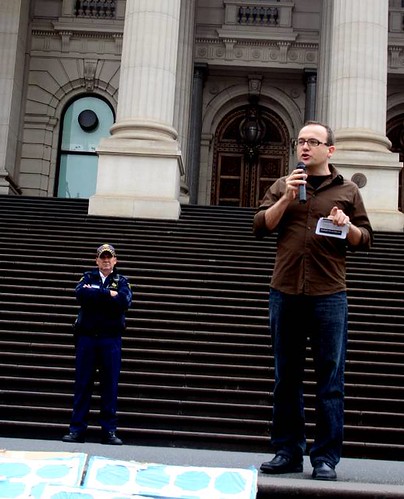
I knew I’d officially become a ‘longevity influencer’ this month when a company called Generation Lab reached out to offer me the chance to write about—and even receive—their new rejuvenation treatment, an injectable combination of two existing drugs which they call 1-Generation. This wasn’t just any antiaging treatment, either. A company fact sheet says that it…

Ứng dụng sức khỏe cá nhân hoá đang ngày càng phổ biến, vì người dùng có thể truy cập vào hàng triệu bản đồ dinh dưỡng và chương trình luyện tập trên nền tảng như MyFitnessPal, Fitbit và Apple Health. Nguyên nhân kỹ thuật nằm trong việc sử dụng mô hình học máy để phân tích dữ liệu biện chứng và cảm biến, cho phép tạo ra đề xuất cá nhân hóa theo từng người. Hệ quả là người dùng nhận được lời khuyên chính xác hơn, nhưng đồng thời rủi ro rò rỉ dữ liệu và phụ thuộc vào thuật toán. Từ đó, người đọc cần cân nhắc việc lựa chọn công cụ có chính sách bảo mật rõ ràng và khả năng kiểm soát dữ liệu cá nhân.
Bài viết này giúp lập trình viên hiểu cách ứng dụng công nghệ để tạo ra giải pháp theo dõi sức khỏe cá nhân hóa hiệu quả và thiết thực.

In 2020, a gastroenterologist in Glasgow did the math on his new research study and came up with 30,000 samples, arriving over two years from three cities and a dozen hospitals. He asked around about how researchers keep track of that. ...

Phonak vừa ra mắt bộ trợ thính EON, tích hợp một chip mới được thiết kế để tiêu thụ rất ít năng lượng. Chip này có khả năng chạy đồng thời hai hệ thống AI: một mô hình táchSpeech để cô lập giọng nói và một mô hình phân loại cảnh âm thanh để hiểu bối cảnh xung quanh. Nhờ việc xử lý hai tác vụ này trên cùng một bộ xử lý, thiết bị đạt được thời lượng pin lên tới 38 giây liên tục mà không cần sạc thường xuyên. Ngoài ra, EON còn hỗ trợ Auracast, cho phép truyền âm thanh đa điểm qua Bluetooth Low Energy. Điều này cho thấy việc tối ưu hóa phần cứng AI có thể mang lại hiệu suất cao đồng thời duy trì tuổi thọ pin lâu, một bài học quan trọng cho các thiết bị wearable tiếp theo.
Bài viết giải thích cách công nghệ AI và tiết kiệm năng lượng trong thiết bị nghe Phonak EON sẽ định hình tương lai của thiết bị y tế đeo được.
The scanning and bloodwork health startup founded by Spotify's founder will officially launch in New York in about a month.

Các nhóm công nghệ y tế phải cân bằng giữa tốc độ phát triển và tuân thủ quy định nghiêm ngặt. Nghiên cứu mới đã khảo sát cách họ đạt được sự cân bằng này, với chia sẻ từ một lãnh đạo Merck và hai nhà phát triển.
Lập trình viên trong ngành y tế nên đọc bài này để hiểu cách tối ưu hóa tốc độ phát triển phần mềm với các quy trình an toàn và tuân thủ nghiêm ngặt, giúp họ xây dựng giải pháp hiệu quả mà không bỏ qua rủi ro pháp lý và bảo mật.

Đồng hồ thông minh Pixel Watch 5 của Google, giá từ 399 USD, bổ sung theo dõi mẫu huyết áp, kháng insulin, hỗ trợ cá nhân hóa từ Gemini, cùng tính năng giám sát giấc ngủ nâng cao.
Lập trình viên nên đọc để khám phá cách Google tích hợp AI Gemini vào thiết bị WearOS, giúp phát triển các giải pháp tương tác người máy thông minh hơn cho ứng dụng di động và hệ sinh thái IoT tương lai.

Thiết bị đeo cổ tay ghi ECG hoạt động bằng cách theo dõi hoạt động điện của tim thông qua cảm biến trên bề mặt da, tương tự như máy đo lâm sàng nhưng đơn giản hóa hơn.
Lập trình viên nên đọc bài này để hiểu về cơ chế hoạt động của các thiết bị wearable đeo tay, giúp họ phát triển ứng dụng đo điện tâm đồ (ECG) hiệu quả hơn, tối ưu hóa tính năng và đảm bảo chính xác so với các thiết bị y tế chuyên nghiệp.
Read the news here, practice coding, follow structured courses and train for IELTS on our sibling products — all connected through one 8 Sync account.
The ecosystem home: product overviews, blog and full pricing.
ExploreLearn along a clear roadmap: videos, auto-graded quizzes, certificates and mentors who ship for a living.
View the roadmap1,000+ DSA problems in Vietnamese, auto-graded across 7 languages — many FREE, right in your browser.